


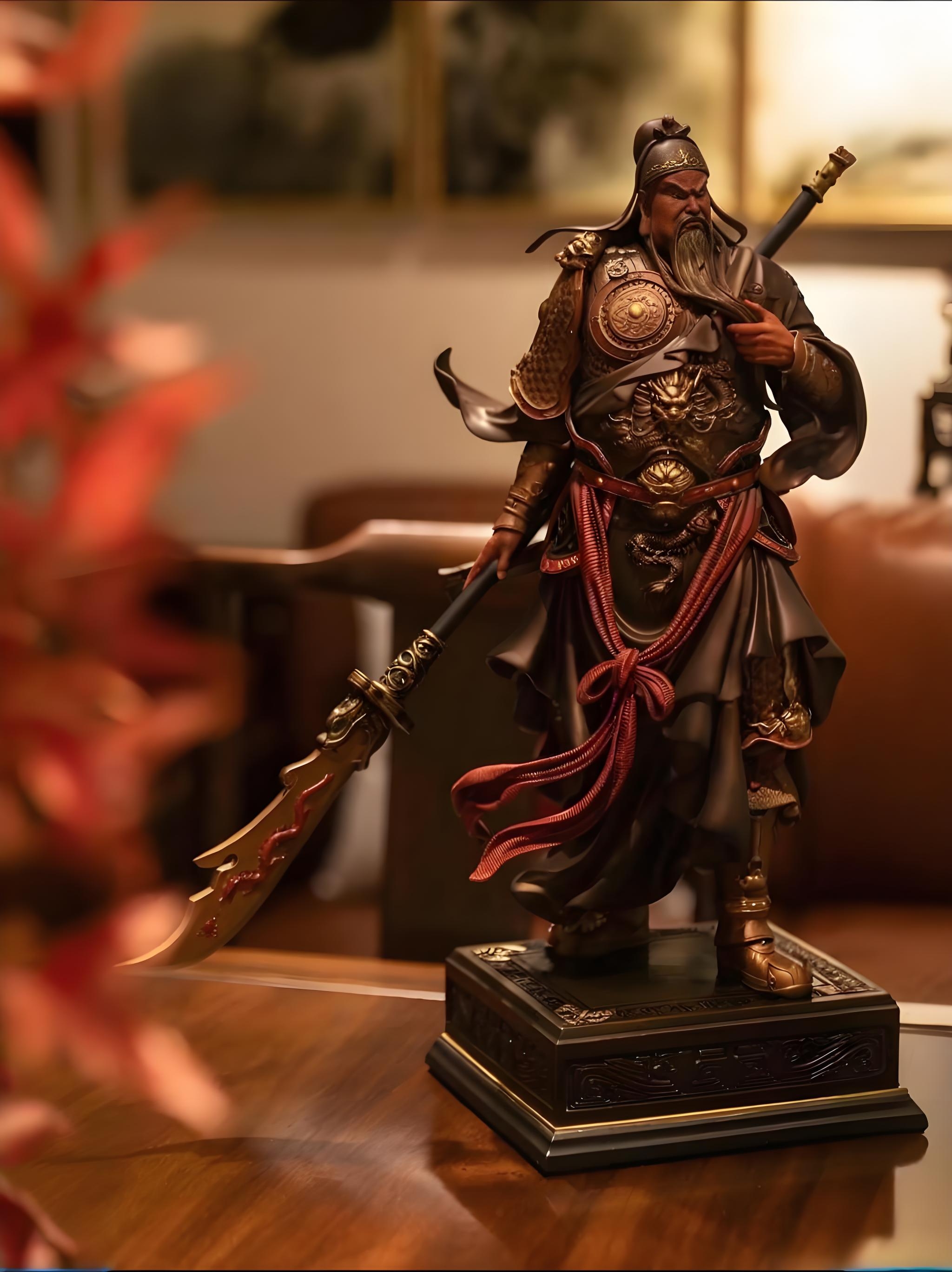

Taoist Immortal - Zhong Kui
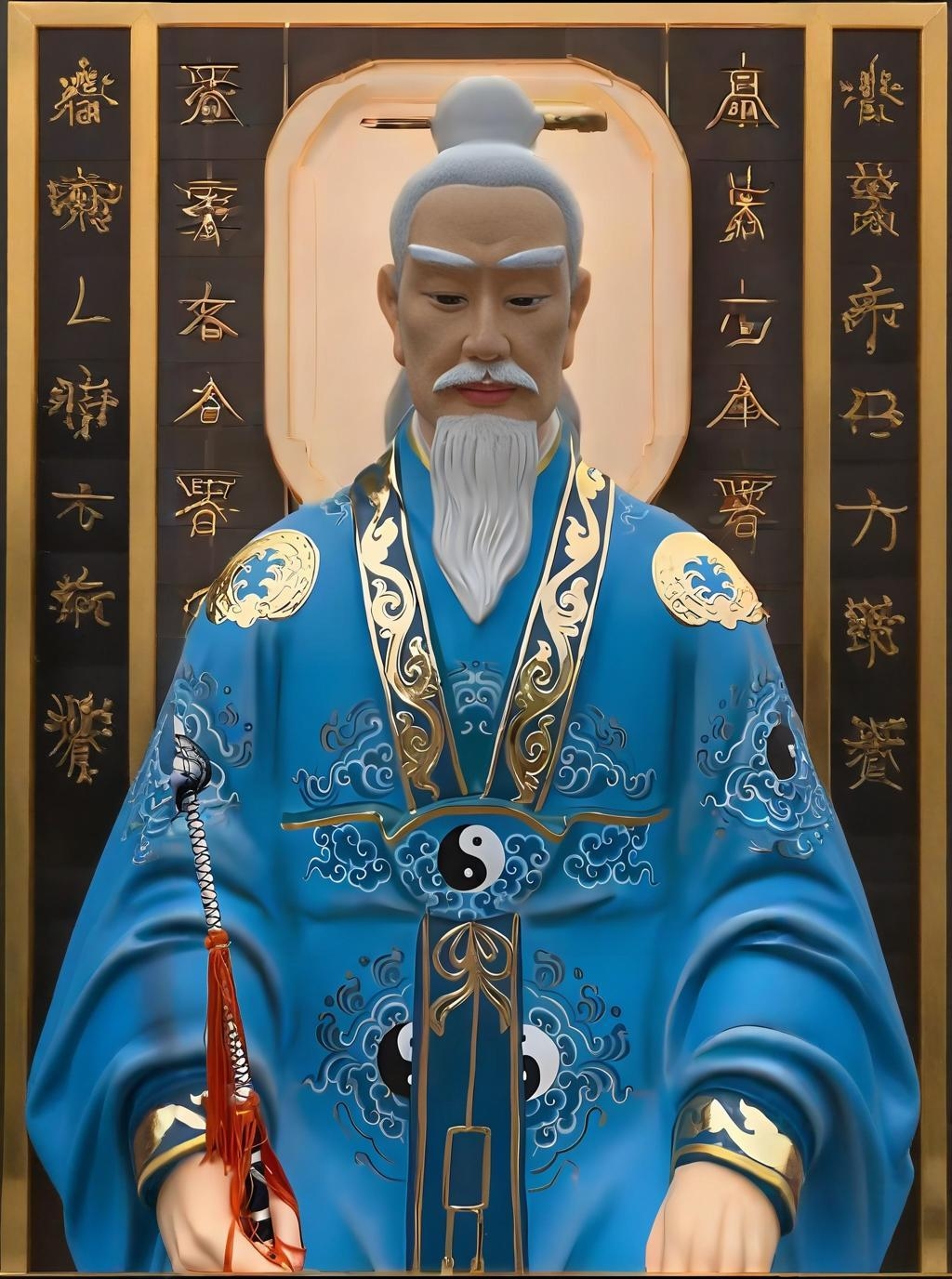
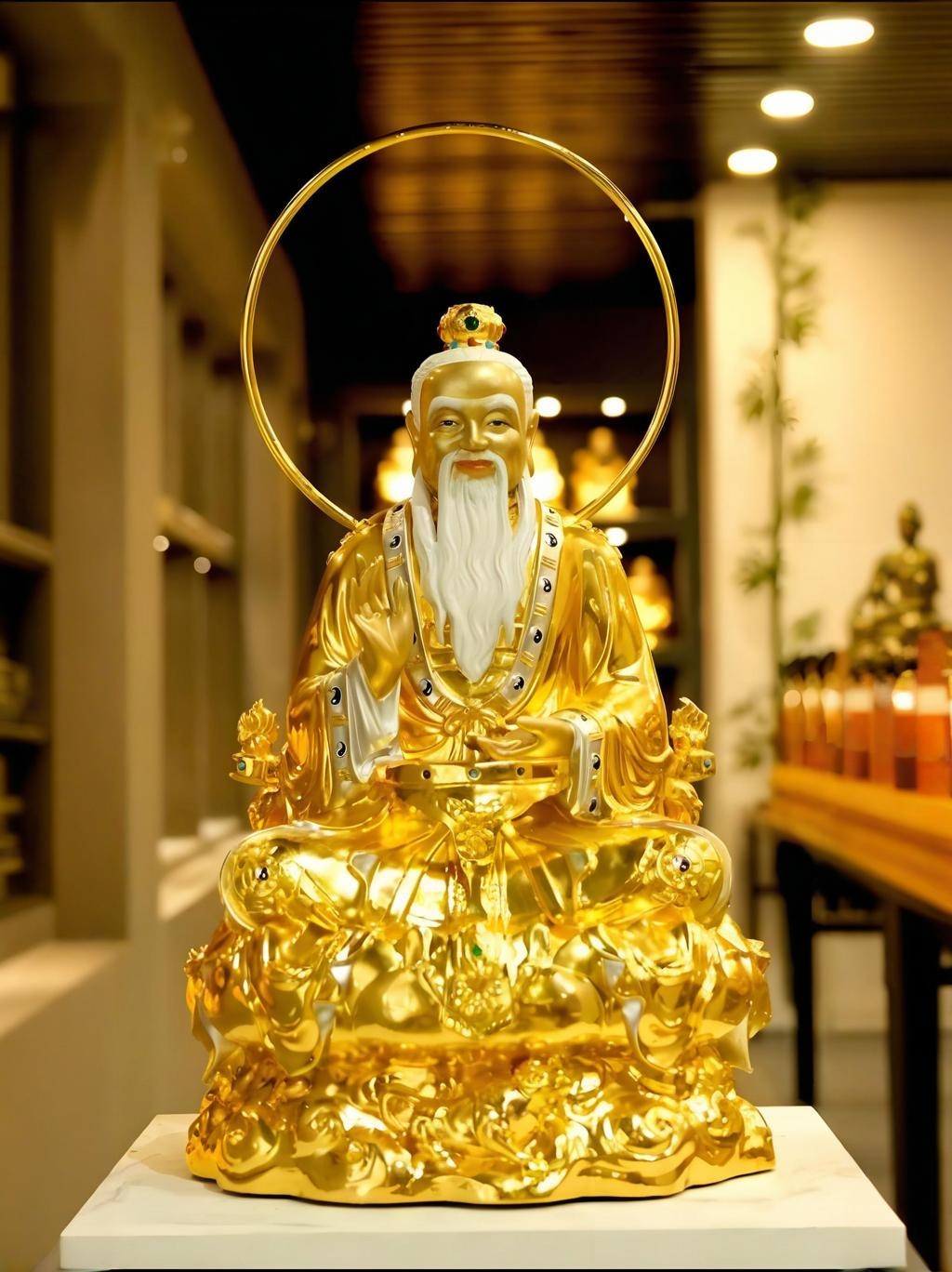
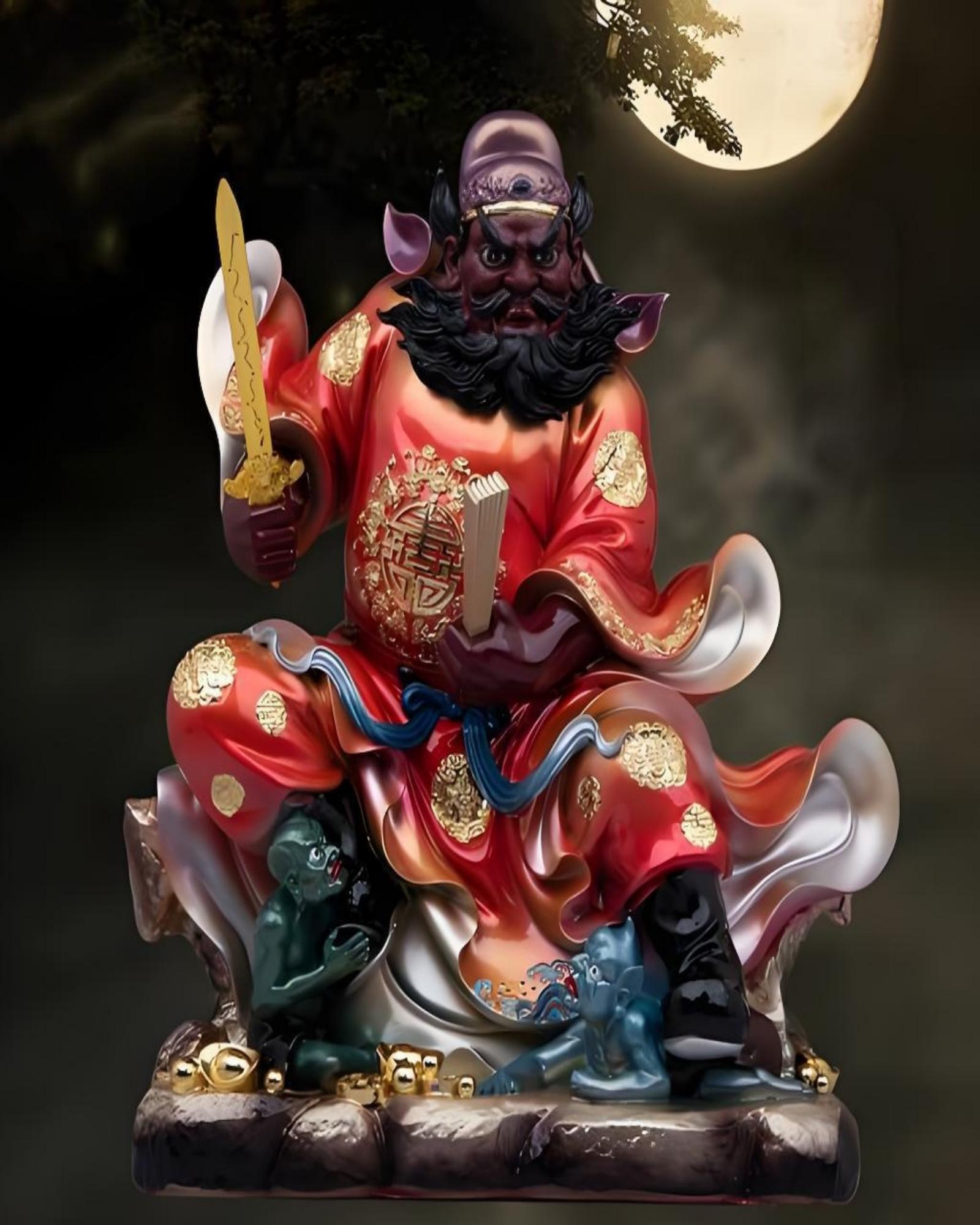
Zhong Kui is a Taoist secular god who specializes in fighting ghosts and exorcising evil spirits. He is also known as the God of Ten Thousand Responses, Yisheng Thunder, exorcising demons and warding off evil spirits, guarding homes, and blessing the emperor. Because his portrait is often posted on the gate, he is also one of the traditional Chinese door gods. Their images are mostly dressed as military officials, with leopard heads and eyes, black faces and twisted beards, dressed in red robes, wearing soap boots, holding a sharp sword, and giving a ghostly glare.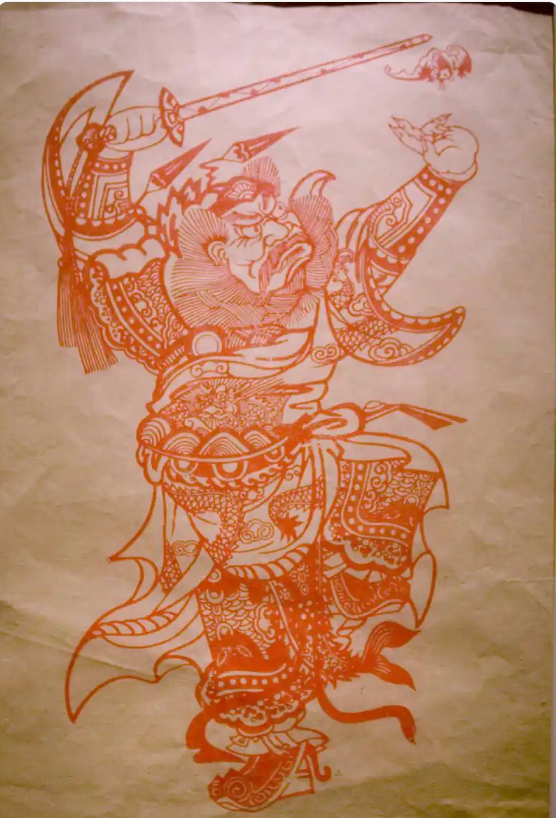
In the Ming Dynasty's "Complete Biography of Tang Zhong Kui", Zhong Kui is recorded as the reincarnation of Wuqu Star and appointed as the commander-in-chief of Yin Yang Demonic City.
During the reign of Emperor Xuanzong of Tang Dynasty, the statue of Zhong Kui was hung at home for exorcism, thus becoming one of the traditional Chinese door gods.
In the late Tang and Song dynasties, Zhong Kui had already developed into a common folk belief. As a symbol of exorcism and disease control, he was known by Taoism as the "Yisheng Thunder Exorcist, Demon Suppressor, Guardian, and Blessing Emperor". He was ranked alongside Guan Gong and Emperor Zhenwu as one of the "Three Great Demon Suppressing Emperors" and held a high position.
In folk culture, Zhong Kui is portrayed as the god of exorcism and healing, as well as the god of universal response.
After being introduced to Japan, Zhong Kui became a hero among the Japanese people who restrained the god of smallpox and was even painted on the military flag.
In the Ming Dynasty drama "Five Ghosts Alarm Clock Kui in the Year of Qingfeng", Zhong Kui was appointed as a judge and was in charge of the world's evil demons and monsters.
In other versions of the story of Zhong Kui in the Ming Dynasty, it is also mentioned that Zhong Kui subdued five little ghosts, which further evolved into the five poisons, and Zhong Kui became the heavenly master who slayed the five poisons.
In the Qing Dynasty's "The Legend of Slaying Demons", Zhong Kui was appointed by Emperor Dezong of Tang as the great exorcist of evil spirits, who "traveled throughout the world to slay demons and evil spirits".
Therefore, Zhong Kui possesses multiple divine attributes such as the slayer of ghosts, the commander of the Yin Yang demon slaying city, the door god, the judge, the Yisheng thunder exorcist, the guardian of evil spirits, the blessed emperor, the demon subduing emperor, the god of all things, the heavenly teacher, and the great god of exorcism.
There are multiple explanations for the origin of Zhong Kui:
One theory suggests that it originated from an ancient method of exorcism called "Zhongkui". The ancients believed that illness, sudden death, and other illnesses were caused by ghosts and monsters, so they formed a ritual of holding Zhongkui to exorcise ghosts. Later, in the palace, the "Nuo ritual" evolved, where a person wore a mask, a red black shirt, and a red skirt to perform the Nuo ritual. After being introduced to the people, the image of Zhong Kui evolved.
Secondly, it is believed that "Zhongkui" and "Zhongkui" are the names of two medicinal fungi, namely Fanlu and Di mushroom. Both have the same pronunciation but different characters due to their resemblance to vertebrae. Li Shizhen believes that the legend of Zhongkui comes from Zhongkui mushroom.
Thirdly, it is believed that Zhong Kui is the result of the deification of ancient celebrities. Since ancient times, the role of the Zhong Kui dance mask in rituals has been similar to that of the exorcism mask during the Shang and Zhou dynasties, so the name Zhong Kui may have originated from the famous wizard Zhong Yao (hu ǐ) during the Yin and Shang dynasties. In the long history, people believed that Zhongkui was originally a ghost chasing object with the function of warding off evil, so it was taken as a name, such as Li Zhongkui, Murong Zhongkui, Yao Zhongkui, etc. Over time, people believed that Zhongkui was a ghost chasing person, and thus evolved into Zhongkui.
The fourth person believes that he is the scholar of Zhong Nanshan. This mainly comes from the well-known legend of Zhong Kui. The History of Tang Dynasty "is an early book that mentions the name" Zhong Kui ". According to records, Zhong Kui was originally the son of a scholar who passed the martial arts examination. After his death, he became the king of ghosts and swore to eliminate all evil spirits in the world. One day, Emperor Xuanzong of Tang fell ill in bed and dreamed of a little ghost sneaking into the palace. At this moment, Zhong Kui appeared and caught the little ghost to eat. After Tang Xuanzong woke up, his illness was cured without medicine. He called the painting saint Wu Daozi and asked him to draw the image of Zhong Kui based on his dream impression. Later generations gradually perfected the image of Zhong Kui based on this story, making it mature and established.
The "Tai Shang Dong Yuan Divine Mantra Sutra: Slaying Ghosts Chapter Seven" is an early Taoist classic that records the exorcism of pathogenic ghosts. Zhong Kui appeared alongside two historical figures, Confucius and King Wu, as the "slayer of ghosts".
In the Ming Dynasty's "Complete Biography of Tang Zhong Kui", Zhong Kui is recorded as the reincarnation of Wuqu Star and appointed as the commander-in-chief of Yin Yang Demonic City.
During the reign of Emperor Xuanzong of Tang Dynasty, the statue of Zhong Kui was hung at home for exorcism, thus becoming one of the traditional Chinese door gods.
In the late Tang and Song dynasties, Zhong Kui had already developed into a common folk belief. As a symbol of exorcism and disease control, he was known by Taoism as the "Yisheng Thunder Exorcist, Demon Suppressor, Guardian, and Blessing Emperor". He was ranked alongside Guan Gong and Emperor Zhenwu as one of the "Three Great Demon Suppressing Emperors" and held a high position.
In folk culture, Zhong Kui is portrayed as the god of exorcism and healing, as well as the god of universal response.
After being introduced to Japan, Zhong Kui became a hero among the Japanese people who restrained the god of smallpox and was even painted on the military flag.
In the Ming Dynasty drama "Five Ghosts Alarm Clock Kui in the Year of Qingfeng", Zhong Kui was appointed as a judge and was in charge of the world's evil demons and monsters.
In other versions of the story of Zhong Kui in the Ming Dynasty, it is also mentioned that Zhong Kui subdued five little ghosts, which further evolved into the five poisons, and Zhong Kui became the heavenly master who slayed the five poisons.
In the Qing Dynasty's "The Legend of Slaying Demons", Zhong Kui was appointed by Emperor Dezong of Tang as the great exorcist of evil spirits, who "traveled throughout the world to slay demons and evil spirits".
Therefore, Zhong Kui possesses multiple divine attributes such as the slayer of ghosts, the commander of the Yin Yang demon slaying city, the door god, the judge, the Yisheng thunder exorcist, the guardian of evil spirits, the blessed emperor, the demon subduing emperor, the god of all things, the heavenly teacher, and the great god of exorcism.
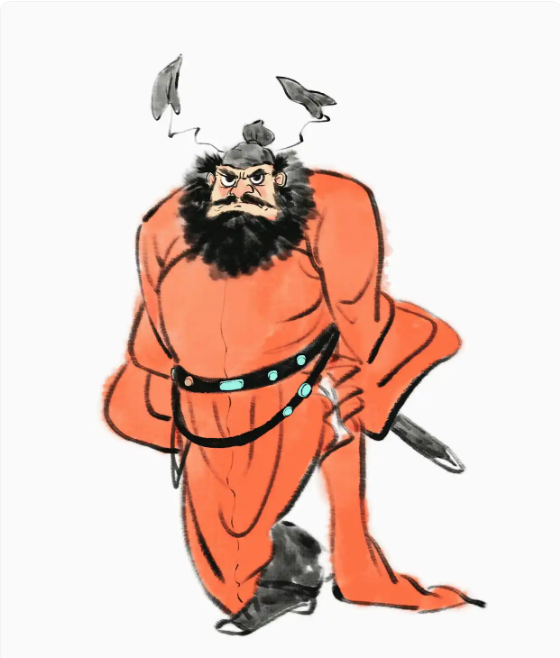
One theory suggests that it originated from an ancient method of exorcism called "Zhongkui". The ancients believed that illness, sudden death, and other illnesses were caused by ghosts and monsters, so they formed a ritual of holding Zhongkui to exorcise ghosts. Later, in the palace, the "Nuo ritual" evolved, where a person wore a mask, a red black shirt, and a red skirt to perform the Nuo ritual. After being introduced to the people, the image of Zhong Kui evolved.
Secondly, it is believed that "Zhongkui" and "Zhongkui" are the names of two medicinal fungi, namely Fanlu and Di mushroom. Both have the same pronunciation but different characters due to their resemblance to vertebrae. Li Shizhen believes that the legend of Zhongkui comes from Zhongkui mushroom.
Thirdly, it is believed that Zhong Kui is the result of the deification of ancient celebrities. Since ancient times, the role of the Zhong Kui dance mask in rituals has been similar to that of the exorcism mask during the Shang and Zhou dynasties, so the name Zhong Kui may have originated from the famous wizard Zhong Yao (hu ǐ) during the Yin and Shang dynasties. In the long history, people believed that Zhongkui was originally a ghost chasing object with the function of warding off evil, so it was taken as a name, such as Li Zhongkui, Murong Zhongkui, Yao Zhongkui, etc. Over time, people believed that Zhongkui was a ghost chasing person, and thus evolved into Zhongkui.
The fourth person believes that he is the scholar of Zhong Nanshan. This mainly comes from the well-known legend of Zhong Kui. The History of Tang Dynasty "is an early book that mentions the name" Zhong Kui ". According to records, Zhong Kui was originally the son of a scholar who passed the martial arts examination. After his death, he became the king of ghosts and swore to eliminate all evil spirits in the world. One day, Emperor Xuanzong of Tang fell ill in bed and dreamed of a little ghost sneaking into the palace. At this moment, Zhong Kui appeared and caught the little ghost to eat. After Tang Xuanzong woke up, his illness was cured without medicine. He called the painting saint Wu Daozi and asked him to draw the image of Zhong Kui based on his dream impression. Later generations gradually perfected the image of Zhong Kui based on this story, making it mature and established.


